We Buy Used Metal-Enclosed Interrupter Switchgear
Data Center Buyers buys used and surplus metal-enclosed interrupter switchgear from data centers and industrial facilities throughout the US and Canada. We evaluate fixed-mounted medium-voltage load-interrupter switches, power-fuse sections, and matching distribution lineups. Send an asset list and photos for a written offer within 24 hours, typically one business day. Call 951-403-5738 or request a quote online before separating sections.
Selling Metal-Enclosed Switchgear: What to Know
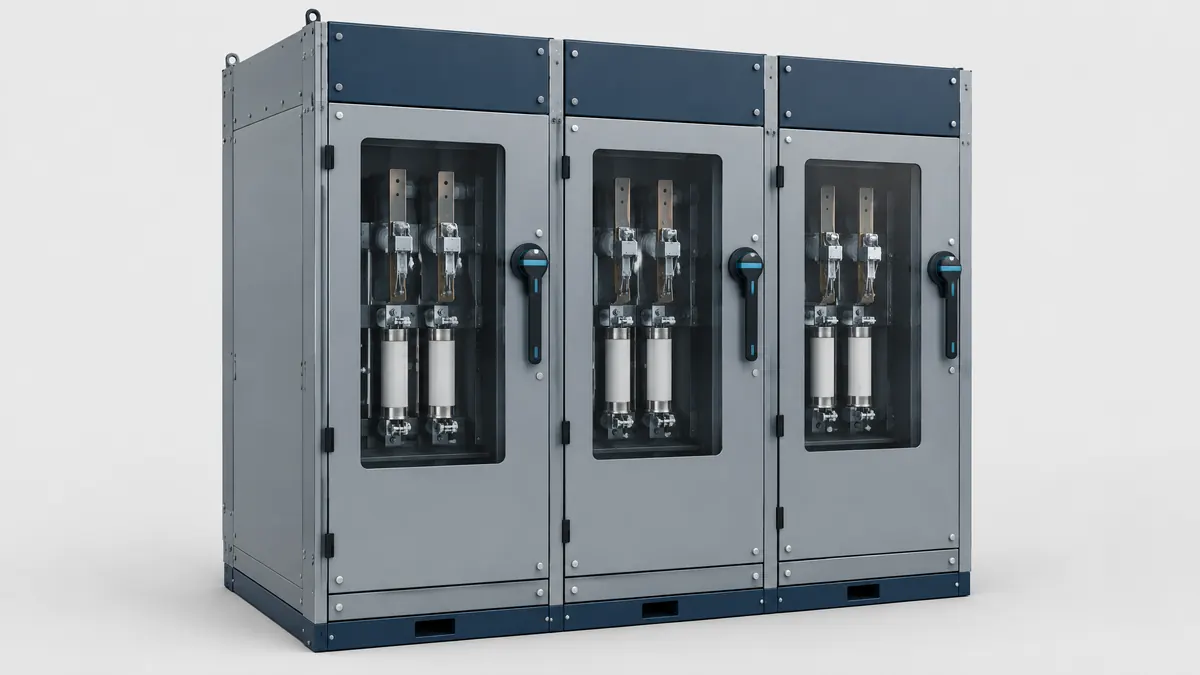
A transformer-primary switch cabinet is more than a steel enclosure. Its load-interrupter switch, fuse arrangement, bus connections, and operating mechanism determine which applications it may fit. The metal-enclosed interrupter category is associated with IEEE C37.20.3; this page focuses on fixed-mounted medium-voltage switch-and-fuse assemblies rather than draw-out breaker lineups. The switch handles load interruption, while the power fuses provide short-circuit protection in a fused assembly. Data centers may release these assets when replacing transformer feeds or changing campus distribution. Identify each section's role on the one-line diagram so a buyer can understand the equipment without relying on cabinet appearance.
Metal-clad gear is a different construction category under IEEE C37.20.2, with separately compartmentalized equipment and draw-out circuit breakers. Do not describe a fixed load-interrupter switch as a removable vacuum breaker simply because both sit in metal cabinets. For a metal-enclosed lineup, buyers need the switch and assembly ratings, installed fuse details, and connections between incoming and outgoing sections. A complete transformer-primary switch can be easier to evaluate than a cabinet stripped of its fuse mounts or operator. Preserve the drawings and section identification before decommissioning, especially when one campus feeder remains active while another power train is retired.
Metal-Enclosed Switchgear We Buy
Identifiable switch-and-fuse families
- Eaton MVS metal-enclosed load-interrupter switchgear, identified by the assembly nameplate and original section drawings.
- Square D HVL air-insulated load-interrupter switchgear with its installed power-fuse arrangement and operating hardware documented.
- Square D HVL/cc compact load-interrupter switchgear, with the exact family designation recorded rather than assumed from size.
- Other identifiable medium-voltage metal-enclosed interrupter assemblies offered with manufacturer, serial number, and complete rating information.
Transformer-primary and distribution arrangements
- Stand-alone fused transformer-primary switch cabinets removed after their transformer feed is permanently taken out of service.
- Connected feeder lineups with common bus, section labels, and drawings showing which outgoing circuits belong to the offered lot.
- Duplex load-interrupter switch arrangements for alternate feeds, kept with their interlock keys and associated connection sections.
- Unfused load-interrupter sections included in a documented switch-and-fuse lineup, with their distinct circuit role clearly identified.
Complete configurations and retained hardware
- Manual switch assemblies with their operating handles, position indicators, viewing windows, and original door hardware retained.
- Motor-operated assemblies offered with installed operators and control wiring diagrams that identify the required control supply.
- Eaton MVS sections with documented 600 A or 1200 A switch ratings, listed separately from installed fuse ratings.
- Switch cabinets with matching fuse holders, spare fuses, bus transition pieces, and connection hardware identified with the parent section.
What Affects Your Offer for metal-enclosed switchgear
Assembly ratings versus installed fuse ratings
Record the assembly voltage and bus current, the switch continuous and load-interrupting ratings, and the installed fuse identification separately. A fuse's ampere rating does not establish the cabinet's bus rating. Clear rating records reduce uncertainty about the configuration being offered.
Power-fuse system and completeness
Identify fuse manufacturer, type, voltage rating, and amperage, along with fuse mountings and any spare sets. Missing fuse hardware or undocumented substitutions can limit reuse. Keep existing labels visible; do not change fuses or remove components just to improve the appearance of the lot.
Switch mechanism and interlock condition
Describe manual or motor operation, known mechanism problems, missing handles, and available interlock keys. Existing maintenance reports help explain the last operating condition. A cabinet with intact operating hardware is a different asset from one whose mechanism or door interlocks have been removed.
Bus connections and feeder arrangement
Send drawings showing single-switch, duplex, or multi-section arrangements and the location of cable entries. Preserve transition sections and identified bus connection hardware. Equipment cut apart without section records is harder to match to another layout, even when the individual switches remain identifiable.
Storage, damage, and removal constraints
Disclose water exposure, corrosion, cracked insulation, missing panels, and the last energized date. Include storage history for unused cabinets. A narrow exit route or a lineup attached to retained equipment affects removal planning; share those constraints before dismantling rather than after the offer is accepted.
For broader pricing context, read our guide: Used switchgear value on the secondary market.
What to Send for an Accurate Quote
- An asset list naming each metal-enclosed assembly, manufacturer, family, serial number, section count, and whether it is installed, removed, or never installed.
- Readable assembly and switch nameplate photos showing voltage, bus current, load-interrupting ratings, and any recorded short-circuit ratings without mixing unlike rating categories.
- Installed fuse labels, fuse type and amperage, spare-fuse quantities, and known missing mounts or hardware; use existing records when labels are not safely accessible.
- Overall front and side photos showing section order, handles, indicators, viewing windows, enclosure condition, and any transformer transition or cable connection sections.
- The one-line diagram, section layout, control drawings for motor operators, interlock key schedule, and available maintenance records, with confidential site information removed as needed.
- Site city and province or state, shutdown window, removal deadline, approximate dimensions and documented weights, loading access, security requirements, and sections that must remain operational.
When Companies Sell metal-enclosed switchgear
- A data center transformer replacement leaves its original fused primary switch available after the replacement feed is commissioned; the seller identifies the switch cabinet separately from the transformer.
- A campus distribution redesign retires one group of metal-enclosed feeder sections while nearby feeds remain active, requiring a clear sale boundary and a coordinated shutdown window.
- A cancelled data hall expansion leaves never-installed load-interrupter switch cabinets with matching fuses and drawings; storage conditions and any separated shipping sections are documented before requesting an offer.
- An industrial facility consolidation releases duplex transformer-primary switches and connected bus sections; the facility team preserves section labels, operating handles, and interlock keys through the handoff.
Removal, Safety, and Logistics
Qualified electricians must de-energize and lock out the gear before disconnection. Do not open energized compartments for quote photos or operate switches solely to demonstrate condition. Removal is coordinated with your electrician or facility team after electrical isolation and disconnection. When we purchase, de-installation, rigging, and insured freight nationwide are included, with no removal or recycling fees deducted from the offer. Pickup is typically scheduled within a few business days after acceptance, around access, security, and uptime needs. Payment is by company check or wire transfer, on pickup or per agreed terms for larger projects. Keep section drawings and identified hardware with the equipment.
Power Equipment Removal Is Planned Before Pickup
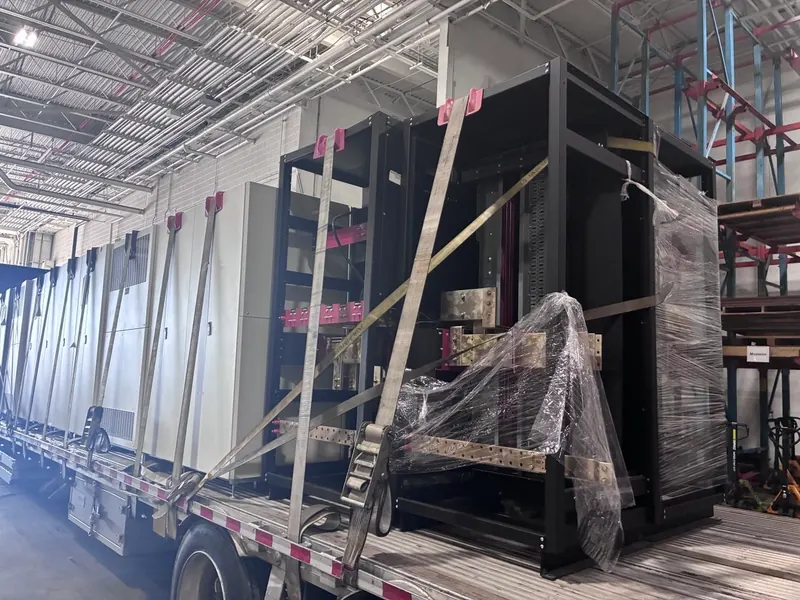
This owner-provided project photo shows data center power equipment secured on a flatbed during a removal. Switchgear sections, breakers, and transfer equipment are heavy, so dimensions, weights, access routes, and rigging needs are confirmed with your team before the truck arrives.
Get a Written Offer for Your Metal-Enclosed Switchgear
Send nameplate photos, quantities, and your removal timeline. We reply with a written offer within 24 hours of receiving the list and photos.
Metal-Enclosed Switchgear: Seller Questions
Does a metal cabinet make my fused primary switch metal-clad switchgear?
No. Cabinet material alone does not identify the construction category. This page covers fixed-mounted load-interrupter switch-and-fuse assemblies associated with IEEE C37.20.3. Metal-clad construction under IEEE C37.20.2 uses separate equipment compartments and draw-out circuit breakers. Send the nameplate and existing layout drawings if the description is uncertain. The wider metal-enclosed category can include other devices, so we identify your assembly rather than classify it solely by appearance.
Why does my metal-enclosed cabinet show different switch and fuse amperages?
The ratings describe different parts of the assembly. A load-interrupter switch's continuous current rating is not the same as the installed fuse's ampere rating, and neither should replace the assembly bus rating in your inventory. Send each label separately and include the original fuse schedule if available. We use those records to understand the offered configuration, not to prescribe a replacement fuse or a new protection setting.
Can I offer a transformer-primary switch without selling its connected transformer?
Yes. Identify the switch cabinet as a separate asset and state that the transformer is excluded. Include the transition drawing, connection arrangement, and the proposed removal boundary. A close-coupled connection can affect how the assets are separated and what hardware remains with each owner. Coordinate that boundary with your facility team before removal; do not cut buswork or detach sections merely to prepare quote photos.
What should stay with a duplex metal-enclosed switch arrangement during removal?
Keep the two switch sections identified together with their interlock keys, handles, connection sections, and available diagrams. Document which feed each section served and disclose missing hardware. Those details help explain an alternate-feed arrangement after site cables are gone. If only one section is available, say so in the asset list rather than describing the lot as a complete duplex assembly.
Will missing power fuses prevent an offer on my metal-enclosed switch cabinet?
Missing fuses do not automatically rule out consideration. Identify what is absent and whether fuse mounts, switch hardware, and bus connections remain intact. Include the original fuse schedule or earlier maintenance records when available, without purchasing replacement fuses just to submit the gear. Older or non-working equipment can still have resale or parts value; what cannot be resold is recycled responsibly. The offer depends on the documented assembly and its condition.
Related Switchgear We Buy
- Metal-Clad Switchgear
- Medium-Voltage Switchgear
- Unit Substations
- 15kV Switchgear
- All Electrical Switchgear
Metal-Enclosed Switchgear Brands We Buy
Get a written offer within 24 hours
Send your asset list and we respond with a firm written offer, typically within one business day. We pay top dollar, handle rigging and freight, and provide secure data wiping with a certificate on request.
Call 951-403-5738 or request a quote online.